
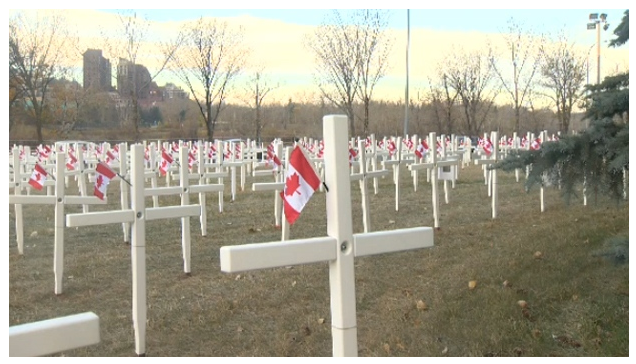
Inspired to honour the contributions of fallen veterans
One man’s vision for an empty patch of green space along Memorial Drive N.W. has resulted in a one-of-a-kind tribute to the sacrifices of Canadian soldiers. Since 2008, a field of approximately 3,100 crosses appears each year in the weeks prior to Remembrance Day in a...
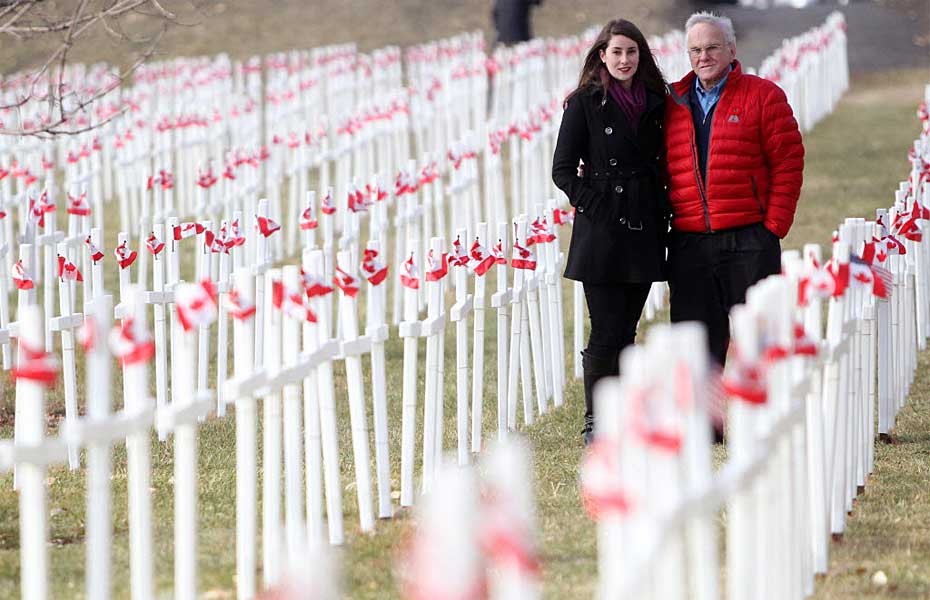
We have even more reason to remember this November 1
For as long as he can remember, Murray McCann has faithfully worn his red poppy pin throughout much of November. It wasn’t until a 2008 trip to the southern United States, though, that he realized he could be doing a lot more. Driving through Menlo, Ga., a town of...
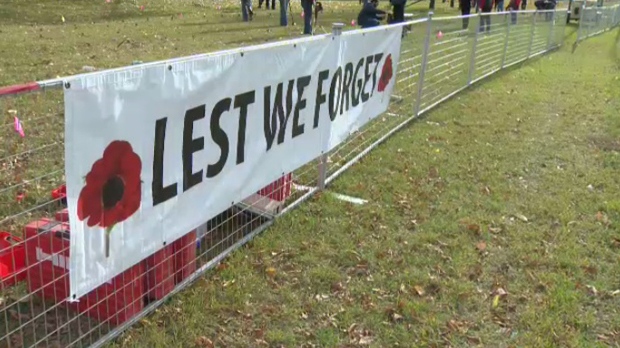
Installation Of White Crosses Along Memorial Drive Is Underway.
The annual installation of white crosses along Memorial Drive is underway. Every year volunteers put about three thousand crosses along the road near Centre Street. The crosses represent Alberta soldiers killed in war time or during peacekeeping duties. Each cross has...
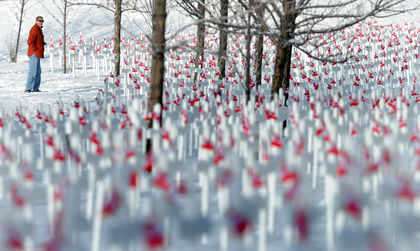
Annual Field of Crosses along Calgary’s Memorial Drive returns to honour fallen veterans
It’s been a somber work-in-progress honouring war’s sacrifice its founder hopes will grow no more. For the fifth year crosses, each denoting one of the 3,000 southern Albertans who lost their lives in Canada’s conflicts and peacekeeping, have been planted on the north...
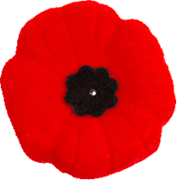
Ceremony marks legacy of ‘field of crosses’ founder
CALGARY- A solemn ceremony was held at sunrise on Thursday morning, in honour of a Calgary man whose vision and determination helped establish the field of crosses along Memorial Drive. George Bittman was a navy veteran and former head of the Poppy Fund, before dying...

❤️
This content isn't available right now
When this happens, it's usually because the owner only shared it with a small group of people, changed who can see it or it's been deleted.1 CommentsComment on Facebook
Cross prep is finished and we will soon be working on "site prep" at the field. We are still needing some strong volunteers to assist on Saturday October 17th - can you help? - sign up here:
www.fieldofcrosses.com/volunteers/
1 CommentsComment on Facebook
Parts Canada hosted Field of Crosses for the final weekend of Cross Prep this past Saturday.
We are grateful for the use of the Parts Canada warehouse for year round storage, cross prep weekends and to President, James Danyluk and his family and staff who have given up their weekends to volunteer their support .
Thank you Parts Canada for your dedication and support of Field of Crosses.
2 CommentsComment on Facebook
Today, on the National Day for Truth and Reconciliation, we pause to honour the children, Survivors, families and communities impacted by the residential school system.
We also recognize the First Nations, Inuit and Métis Veterans who served Canada with courage and dedication.
May today be a time to remember, reflect and continue moving forward together in the spirit of reconciliation.

2 CommentsComment on Facebook
Each November, thousands of white crosses transform Calgary’s landscape into a powerful place of remembrance.
Since 2009, The Field of Crosses has honoured the men and women from Southern Alberta and across Canada who gave their lives in service to our country. More than 3,500 crosses stand in tribute during the 11 days leading up to Remembrance Day, each one representing a life, a story and a sacrifice that should never be forgotten.
By Adopting A Cross, you help preserve this meaningful memorial and ensure future generations continue to understand and remember the sacrifices made for the freedoms we have today.
Learn more about The Field of Crosses and how you can Adopt A Cross at:
www.fieldofcrosses.com/adoptacross/
1 CommentsComment on Facebook